

Knowing when to increase or decrease your bet size is one of the most powerful skills a player or bettor can develop. Whether you’re playing poker, blackjack, or placing sports bets on platforms like TAYA777, understanding strategic bet sizing gives you the edge you need to survive the swings and seize the profitable moments. Tara, let’s dive deep into the hows and whens of bet adjustments!
Understanding the Foundation: Why Bet Sizing Matters
Bet sizing isn’t just about throwing chips or cash on the table—it’s about making informed, mathematically sound decisions based on your edge, your bankroll, and the situation at hand. Bet too little and you miss potential value. Bet too much and you risk disaster. Mastering this balance helps you grow your bankroll responsibly over time.
When to Increase Your Bet Size
1. You Have a Strong Edge
Have you been winning consistently? That’s a clear sign you might be underestimating your advantage. If your long-term performance shows higher win rates than expected, it may be time to ramp things up.
- Example: A sports bettor using statistical models sees their success rate steadily hitting 58–60%. That’s well above breakeven for standard odds—time to push the bet size!
- In poker: Got weaker players on your left? Go for larger pre-flop raises when you’re in position to apply pressure and isolate them.
2. Your Bankroll Has Grown
As your bankroll increases, you can safely raise your unit size without increasing your risk percentage. A good rule of thumb is to bet 1–3% of your total bankroll per wager. As that bankroll grows, your bet size grows with it.
Halimbawa: If you start with ₱10,000 and your unit size is ₱200 (2%), once your bankroll becomes ₱20,000, you can bet ₱400 per unit to keep your risk consistent.
3. Favorable Conditions in Play
When odds, positioning, or timing are in your favor, it’s time to extract maximum value. This applies to both sports and casino games:
- Nut advantage: In poker, when you have the strongest possible hand or a range advantage.
- Pot odds: When the math says you’ll win more than you lose over time with a bigger bet.
- Card counting in blackjack: Raise bets when the true count is positive.
When to Decrease Your Bet Size
1. You’re on a Losing Streak
Don’t let ego get in the way, kapatid. If the tide’s turning against you and losses are piling up, reduce your risk immediately. Protecting your bankroll is more important than chasing losses.
Golden Rule: Reduce your unit size if your bankroll shrinks by 25% or more. Adapt fast to avoid going bust.
2. High Variance Situations
Not every bet is created equal. If you’re entering high-volatility situations—like betting on underdogs or trying out a new poker strategy—keep your stake low to manage risk.
Example: Playing multi-table tournaments (MTTs) in poker? These have much higher variance than cash games, so bet more conservatively.
3. When the Stakes Outgrow Your Bankroll
Never let one bet jeopardize your future. If your next wager becomes more than 5% of your bankroll, scale back. That’s a red flag indicating you’re overextending.

Best Practices in Bankroll Management
Stick to the 1-3% Rule
Most pros risk only 1%–3% of their bankroll per bet. This gives you enough room to survive losing streaks and capitalize on winning runs.
Never Exceed 5% on Any Bet
Going beyond this threshold dramatically increases your risk of ruin. Kahit gaano ka pa ka-confident, don’t overbet.
Dynamically Adjust Bet Sizes
As your bankroll fluctuates, your unit size should change with it. This protects you during downswings and maximizes profits during hot streaks.
The Kelly Criterion: A Scientific Approach
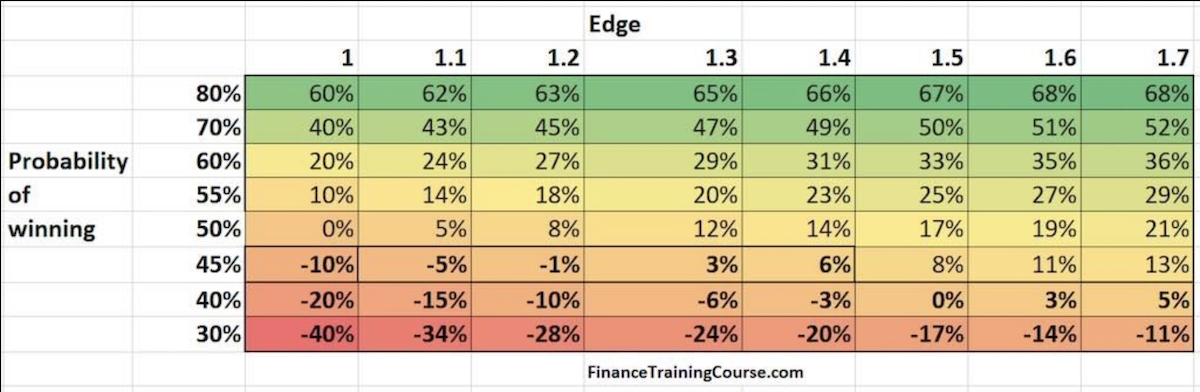
Used in both investing and gambling, the Kelly Criterion is a formula that calculates the optimal bet size based on your edge and odds. If used properly, it ensures long-term bankroll growth while minimizing risk.
Formula: (Edge ÷ Odds) = % of bankroll to bet
Let’s say you’re getting 2-to-1 odds (33.3%) but believe you have a 50% chance of winning:
(0.50 – 0.333) ÷ 2 = 8.35% of bankroll should be bet, according to Kelly.
For the average bettor, though, using half-Kelly is safer to prevent overexposure. Dahan-dahan lang, ‘di ba?
Strategic Takeaways for All Players
- Bet bigger when your edge is clear and measurable.
- Cut back when facing uncertainty or losing streaks.
- Use your bankroll as your north star—never wager more than you can afford to lose.
- Every bet should have a strategic purpose: value, bluff, protection, or exploitation.
Comparison Table: Increase vs. Decrease Bet Size
| Scenario | Increase Bet | Decrease Bet |
|---|---|---|
| Bankroll Change | Bankroll grows | Bankroll shrinks |
| Win Rate | Consistently high win rate | Series of losses or cold streak |
| Game Situation | Favorable odds, strong hand, edge | High variance, uncertain conditions |
| Strategy Purpose | Value betting, exploiting weakness | Conservative play, risk avoidance |
Expert Insight
“Your bet size is a powerful message. It tells your opponent how confident you are—and it tells your bankroll how much you care about it.” — Alec Torelli, Professional Poker Player & Coach
Another way to think about it: betting isn’t just about winning. It’s about surviving and thriving. That’s what we promote here on our platform—smart betting that leads to long-term success.
Conclusion: Bet Smarter, Not Just Bigger
Learning when to increase or decrease your bet size is more than a tactical skill—it’s a mindset. From poker rooms to sports betting to blackjack tables, your ability to manage bet sizes intelligently will separate you from the average player. Our platform is built to help you win smarter, not just more often.
Ready to take control of your betting game? Use our tools, insights, and strategies to grow your bankroll sustainably. Log in now and bet with confidence—kaya mo ‘yan!
Call to Action
Sign up today on our trusted casino platform and get access to professional-grade bankroll management tools, strategy guides, and real-time game insights. Let’s play smarter—together.





